

CRM software can help small businesses win more customers but with up to 60% of CRM projects failing, just buying the software won’t do. Michael FitzGerald reveals how businesses can get the most out of their CRM investment
As the new year begins, many small businesses feel the pressure to get organised, build stronger relationships with their customers, and, in the end, improve their sales. For most, a CRM is what’ll make that happen. However, buying the software won’t cut it. A surprising number of CRM projects still fail because the system is never used the way it should be.
Start by choosing the right CRM
Many small businesses decide to invest in a CRM for the very first time and immediately start chasing tools with the longest list of features. The result is a system that’s loaded with functions you don’t need. A system that’s complicated, heavy, and overwhelming to use.
That’s why the better approach is to opt for a CRM that actually fits your small business needs. That is, a tool that focuses on essentials like contact and deal management, follow-up tracking, email communication, a central workspace, sales tracking, automations, and integrations. This may leave you with fewer functionalities, but that’s a good thing. At OnePageCRM, we’ve learned that when it comes to choosing a small business CRM, less is always more. It lets you zero in on what matters and work fast.
Don’t just store contacts, work them
A CRM is not a glorified phonebook where you simply store names and details. It should function more like a machine (a conveyor belt of sorts) that keeps sales opportunities moving forward. So, instead of hoarding contacts, give them a clear next step and a date for when it should happen. Then, prioritise based on who needs your attention first.
Deliver on your promises – always
If you want to build trust and strengthen your relationships with customers, there’s one promise you always need to make: that you’ll follow up. This need not be a formal promise; even a simple “I will get back to you” counts. In fact, it’s usually not a promise made to the customer at all. Most times, it’s a commitment you make to yourself to always keep conversations going and prevent contacts from going cold.
This is where your CRM comes in. Use it to record every follow-up activity you intend to carry out, get reminders when they’re due, and set new ones after completing the old.
Cut down on admin work
Small businesses spend around 15-20 hours each week on repetitive work. This takes time away from what actually drives sales, which is speaking with customers and building relationships with them. That’s why your CRM should be used to automate as much of that dull work as possible. Let the system handle data entry, emailing, report generation, reminders, lead assignment, and other routine tasks. With this, you’ll have more time and more energy to focus on the people who keep your business going.
In 2026, more and more small businesses will turn to CRM software to organise their operations and win more customers. There’s no reason why you can’t do the same. The only caveat is that you need to start well, and that means choosing the right software.
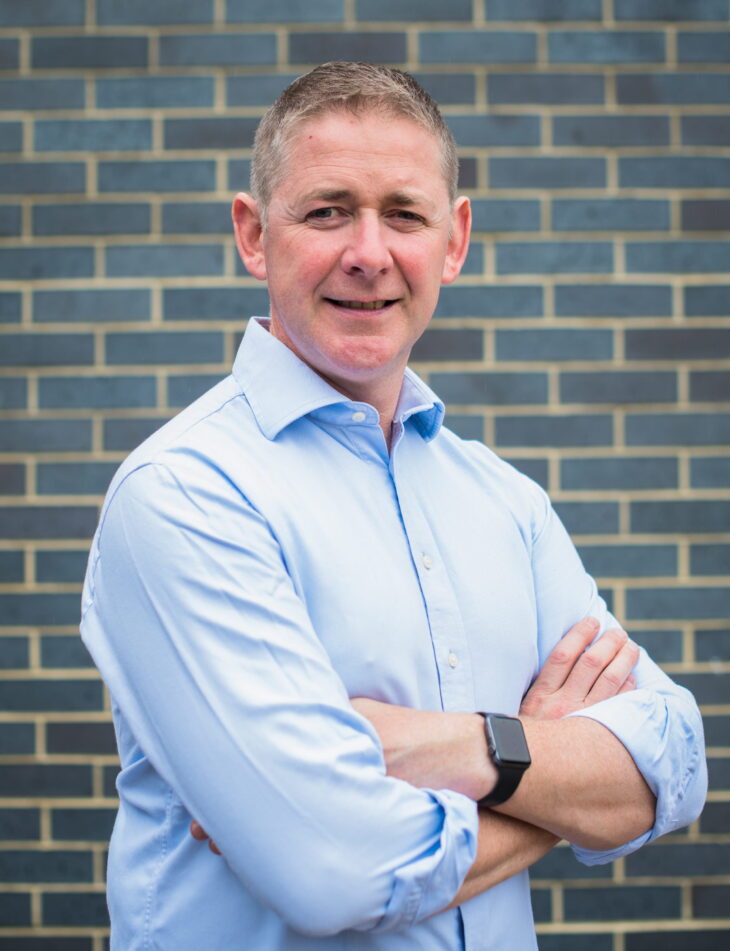
Michael FitzGerald is CEO and Founder of OnePageCRM

