

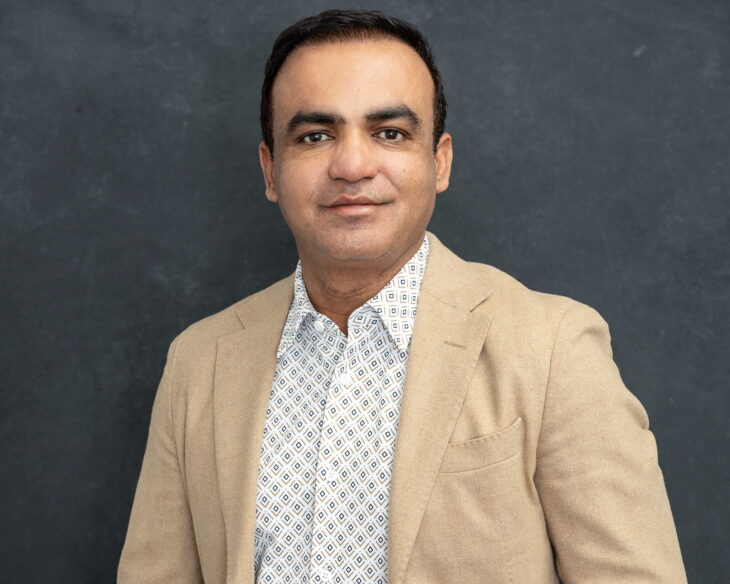
The bank branch is dying and many businesses haven’t noticed yet, writes Irfan Hameed
There was a time when opening a bank account meant making an appointment, sitting across from a bank manager, signing papers, and waiting days, sometimes weeks, for approval. For many businesses, that still feels normal. But in reality, that world is already disappearing. The next generation of entrepreneurs will not build their businesses around traditional banking. They will build around platforms, apps, automation, and digital financial ecosystems that do in minutes what used to take institutions weeks. And many businesses in Ireland are still underestimating how quickly this shift is happening.
The old lines between banking, accounting, finance, payments, lending, and advisory services are collapsing. These are no longer separate professions; they are becoming one connected digital service layer. In practical terms, this means that the accountant of the future will not simply prepare year-end accounts, the finance adviser will not only interpret numbers, and the bank will no longer own the customer relationship in the way it once did. Fintech is pulling all of these functions together.
At Intax, we see this change every day. Clients no longer operate within neat local structures. Irish contractors work for American companies from Dublin. Professionals based in Dubai invoice Irish firms. Payments move internationally, teams are remote, and business decisions happen instantly. Yet many support systems still belong to an older economy.
That gap creates opportunity, but also risk. For SMEs, the message is simple: if your financial systems still rely entirely on traditional processes, you may already be behind. Businesses now need real-time reporting, integrated payments, digital onboarding, faster lending access, and financial tools that move as quickly as their clients do.
The next major competitive advantage for smaller businesses will not simply be lower costs or better marketing. It will be financial agility. This is why fintech matters, not just to banks or startups, but to every business owner. Ireland is well positioned to benefit from this shift. We have a strong financial services base, a proven technology ecosystem, and access to European markets. But we also need to think more globally about where future commercial relationships will come from. Because while Europe remains essential, global trade patterns are changing rapidly. New alliances are forming, supply chains are shifting, and young markets are becoming impossible to ignore.
Pakistan is one of those markets. With a young population, growing digital capability, and significant entrepreneurial energy, it offers opportunities that many Irish businesses still overlook. As President of Pakistan Ireland Business Council, I have seen first-hand how quickly trade between Ireland and Pakistan has expanded; and there is far more potential ahead. The businesses that thrive over the next decade will not simply be those with the best product. They will be those willing to rethink how money, services, and markets now connect. And another thing – the future may not belong to the biggest institutions; it may belong to the fastest ones.
Irfan Hameed is the Founder and CEO of Intax, a one-stop shop for accounts, taxation, business set-up amnd corporate structuring and the President of Pakistan Ireland Business Council (PIBC), supporting the growth of member companies by creating an environment for sustainable Pakistani business development in Ireland

